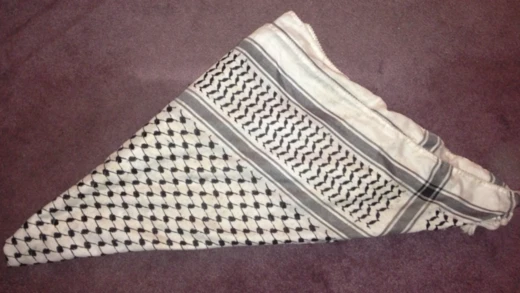
Al-Quds rocket
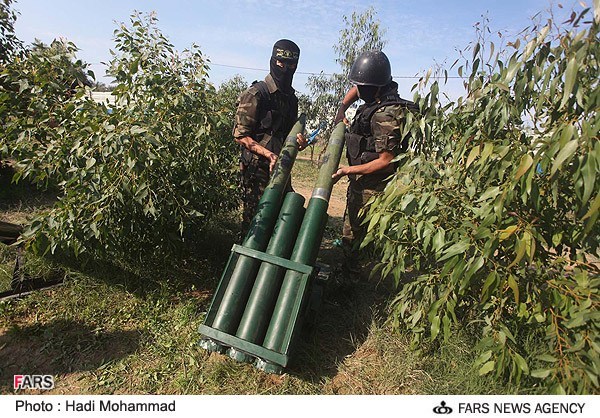
Homemade rockets used by Palestinian Islamic Jihad against Israel.

paffairs_sanfrancisco · CC BY-SA 2.0
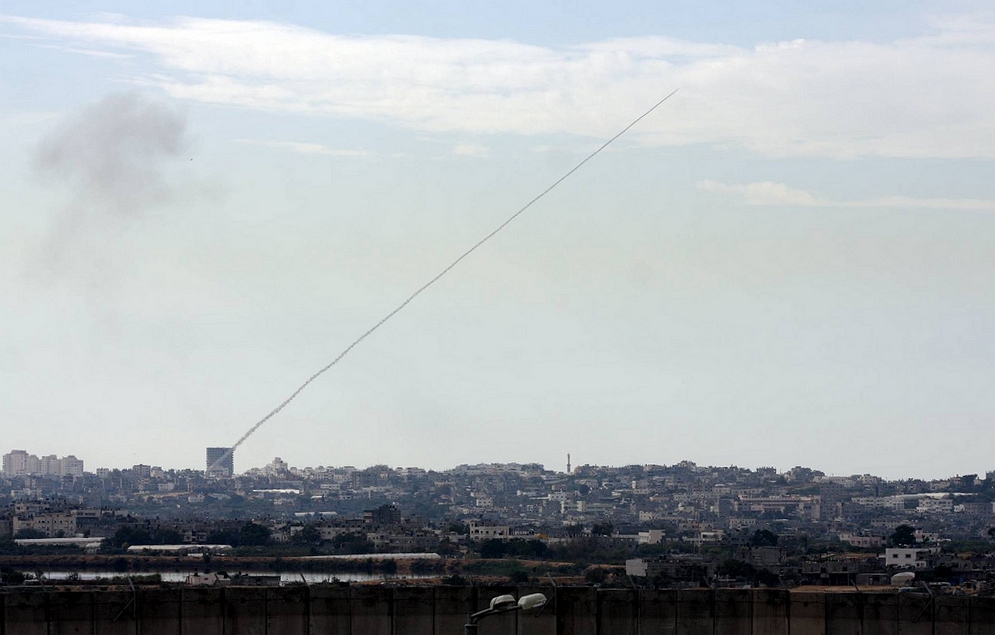
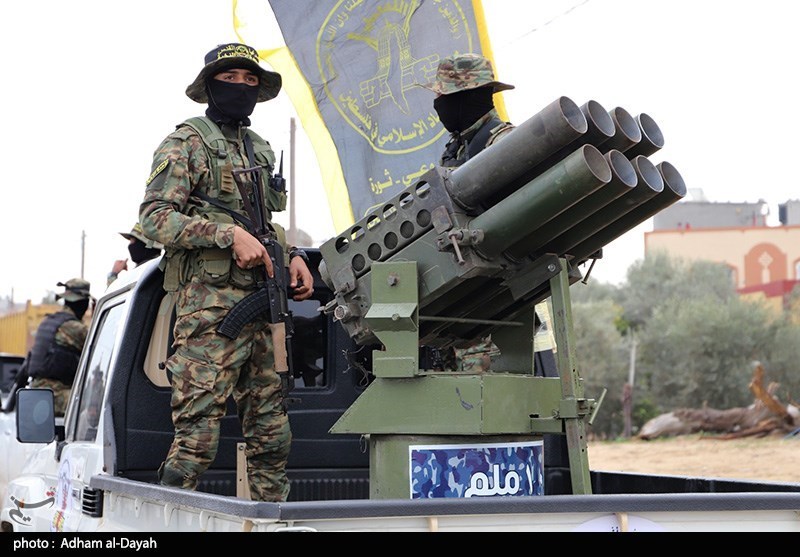
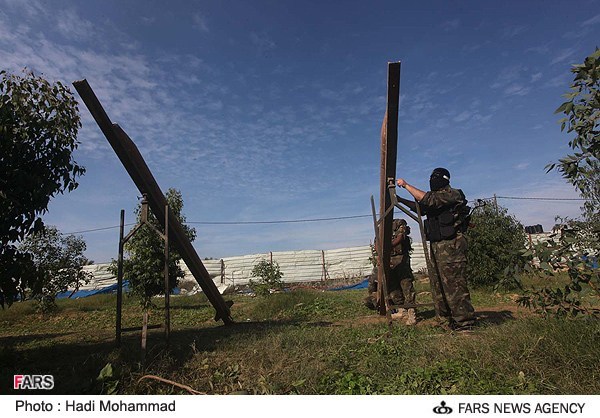
The al-Quds rocket is a homemade artillery weapon developed and deployed by the Palestinian Islamic Jihad in attacks on Israel. The al-Quds 101 variant is believed to resemble the Qassam rockets used by Hamas. Larger versions have been produced, such as the al-Quds 2, which an Islamic Jihad spokesman stated in early 2006 measures 2.3 meters and can reach Ashkelon from Gaza, and the al-Quds 4, whose development was shown in a group video. These rockets lack precision, making them incapable of targeting specific military objectives near civilians. Human Rights Watch has concluded that such weapons are indiscriminate when used in populated areas, and that the absence of Israeli military forces at impact sites, along with statements from Palestinian armed group leaders, indicates deliberate attacks on Israeli civilians and civilian structures. Indiscriminate attacks on civilians and civilian objects, which fail to distinguish between combatants and non-combatants, violate international law.
- type
- Homemade artillery rocket
- user
- Palestinian Islamic Jihad
- variants
- al-Quds 101, al-Quds 2, al-Quds 4
- known_for
- Used in attacks against Israel; inability to target precisely
- legal_status
- Considered indiscriminate when used in population centers under international law
Lore & Background
The absence of Israeli military forces in the areas where rockets hit, as well as statements by leaders of Palestinian armed groups that population centers were being targeted, indicate that the armed groups deliberately attacked Israeli civilians and civilian objects. Indiscriminate attacks on civilians and civilian structures that do not discriminate between civilians and military targets are illegal under international law.
Reader's Guide
The al-Quds rocket series represents a significant aspect of asymmetric warfare in the Israeli-Palestinian conflict, as it is a domestically produced weapon used by Palestinian Islamic Jihad to target Israeli population centers. The rockets' lack of precision makes them indiscriminate under international law when used in civilian areas, as noted by Human Rights Watch. The development from the al-Quds 101 to the larger al-Quds 4 shows an escalation in range and capability, with the al-Quds 2 specifically noted as able to strike Ashkelon from Gaza. The controversy surrounding these weapons centers on their deliberate use against civilians, as indicated by statements from armed group leaders and the absence of military targets at impact sites. This has led to legal condemnation and ongoing debate about the ethics and legality of such tactics in conflict zones.
Did You Know?
- The al-Quds 101 is likely similar to the Qassam rocket series used by Hamas.
- The al-Quds 2 has a length of 2.3 meters and can strike Ashkelon from Gaza.
- Human Rights Watch stated that al-Quds rockets are indiscriminate when used in population centers.
- Islamic Jihad released a video showing development of the larger Quds-4 rocket.
Origins & Design
The al-Quds 101 is a homemade artillery rocket developed and employed by the Palestinian Islamic Jihad in operations directed at Israel. As a domestically produced weapon, it represents part of a broader pattern of Palestinian domestic weapons production. The 101 variant is widely assessed to bear close resemblance to the Qassam rocket series, which has been the signature homemade projectile of Hamas. This similarity suggests shared design principles, manufacturing constraints, and tactical purposes across the two Palestinian armed groups. The "homemade" designation underscores that these weapons are not procured through conventional military supply chains but are instead assembled from locally sourced or improvised components, reflecting the resource-limited environment in which they are developed. The naming convention, linking the weapon to Al-Quds, the Arabic name for Jerusalem, signals the political and symbolic dimensions embedded in the project beyond its purely military function.
Evolution & Development
The al-Quds rocket family has seen a clear progression in scale and capability over time. The initial 101 variant gave way to the al-Quds 2, whose development was publicly announced on February 11, 2006, by Islamic Jihad spokesman Abu Hamza. According to that report, the al-Quds 2 measured 2.3 meters in length and possessed sufficient range to reach the Israeli city of Ashkelon when launched from the Gaza Strip. This represented a notable increase in both physical size and operational reach compared to earlier iterations. More recently, Islamic Jihad released a video documenting the development of the Quds-4, described as a much larger rocket in the series. The public dissemination of such footage served both as a technical showcase and a political statement, signaling to audiences that the group's domestic weapons program was advancing. The stepwise growth from the 101 through the 2 and into the 4 variant illustrates a sustained effort to push the boundaries of what a homemade artillery platform can achieve in terms of range and payload.
Operational Context
The al-Quds rockets have been employed specifically in attacks directed at Israel, with the Palestinian Islamic Jihad as the primary operator. The operational context is defined by the geography of the Gaza Strip, from which these projectiles are launched toward Israeli territory. The 2006 announcement regarding the al-Quds 2's ability to strike Ashkelon highlighted the growing strategic relevance of these weapons in the broader conflict. The fact that the rockets are homemade and domestically produced means their development and deployment occur within the constraints of the Gaza environment, without access to conventional military-industrial infrastructure. The naming of the weapon after Al-Quds and its use against Israeli targets frames the project within the wider political narrative of the Israeli-Palestinian conflict. The weapons serve as both a tactical tool and a symbol of resistance for the group that fields them, while their deployment against Israeli cities and towns has made them a persistent element of the security landscape on both sides.
Legal & Ethical Controversy
The al-Quds rocket series has drawn significant scrutiny from international human rights organizations. Human Rights Watch published an analysis concluding that these weapons are inherently indiscriminate when employed against targets located in population centers. The core technical limitation is that the rockets cannot be fired with sufficient precision to single out specific military objectives situated in or near civilian areas. HRW further noted that the absence of Israeli military forces in the areas where rockets have struck, combined with public statements by leaders of Palestinian armed groups explicitly identifying population centers as targets, indicated that the armed groups were deliberately directing fire at Israeli civilians and civilian objects. Under international humanitarian law, indiscriminate attacks that fail to distinguish between civilians and military targets are prohibited. This legal framework places the use of the al-Quds rockets in a heavily criticized category, with the weapons' design limitations making compliance with the principle of distinction practically impossible.
Gallery


Frequently Asked Questions
What is the Al-Quds rocket?
The Al-Quds rocket is a homemade artillery weapon designed and fielded by the Palestinian Islamic Jihad. It is not a precision-guided system but rather a crudely constructed tube-launched projectile intended for area bombardment.
What variants of the Al-Quds rocket exist?
Three main variants are documented: the al-Quds 101, which closely resembles Hamas's Qassam rockets; the al-Quds 2, reported at roughly 2.3 meters in length with a range reaching Ashkelon; and the al-Quds 4, whose development was showcased in a group-produced video.
What is the Al-Quds rocket's role in conflict?
It has been deployed by Palestinian Islamic Jihad in attacks directed at Israeli territory. Because it lacks any meaningful targeting or guidance capability, it cannot distinguish between military and civilian objectives, functioning purely as an unguided area-saturation weapon.
Why is the Al-Quds rocket significant?
It illustrates how non-state actors can field artillery-capable weapons using locally sourced materials and improvised engineering. Its existence also raises serious questions under international humanitarian law, since its inherent inaccuracy makes it effectively indiscriminate when fired toward populated areas.
What is the legal status of the Al-Quds rocket under international law?
Human Rights Watch and other bodies have concluded that rockets of this type, when launched toward or through population centers, constitute indiscrimate weapons under the laws of armed conflict. Their inability to select or adjust a target means their use in such contexts violates the principle of distinction.
More in Palestinian inventions 1-24
Spotted an error? Know more?
This is a living reference — every entry is fact-audited, and reader corrections feed straight into our audit queue. Suggest an edit · See this site's audit record