Jaffa orange
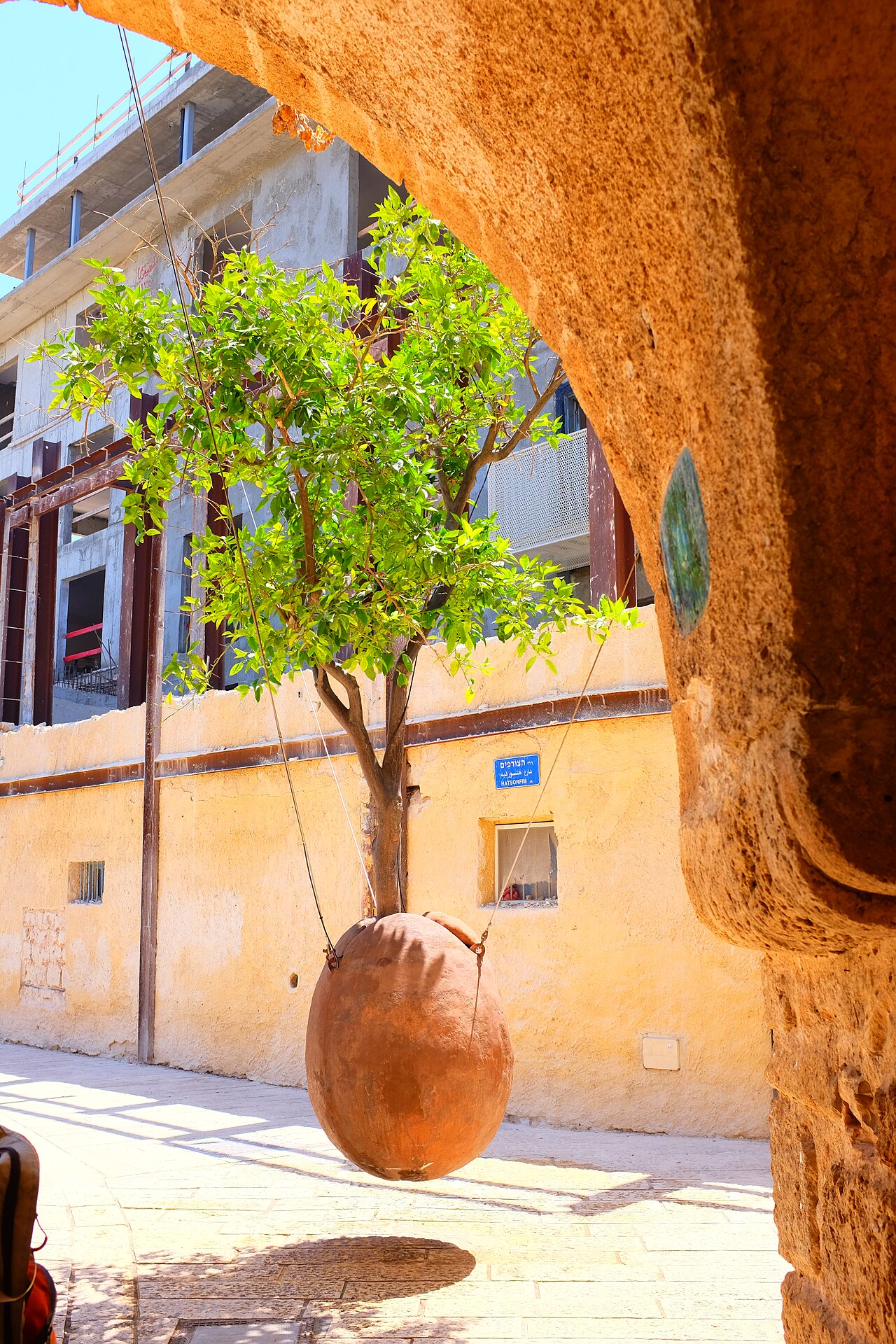
Seedless orange developed in Jaffa, symbol of two peoples.

leighklotz · CC BY 2.0
The Jaffa orange (Arabic: برتقال يافا; Hebrew: תפוז יפו) is a seedless orange variety with a tough, easily removed skin, developed by Palestinian farmers in the mid-19th century in Ottoman Palestine. Named after the port city of Jaffa, it became a major export commodity and a symbol of the region's agriculture, later emblematic of both Israeli and Palestinian national identities.
- developed_by
- Palestinian farmers
- origin
- Mid-19th century Ottoman Palestine, near Jaffa
- type
- Citrus fruit (sweet orange variety)
- also_known_as
- Shamouti
- key_trait
- Few seeds, tough skin, cold-tolerant
- primary_export_era
- Late 19th to mid-20th century
Lore & Background
The Jaffa orange emerged as a mutation on a tree of the 'Baladi' variety near Jaffa in the mid-19th century. It was developed from the sweet orange (C. sinensis), which had been introduced to the Mediterranean centuries earlier via trade routes from Asia. By the 1850s, British consular reports noted its export to Europe, aided by steamship development. Exports grew significantly during the late 19th century, primarily owned by wealthy Palestinian merchants and notables.
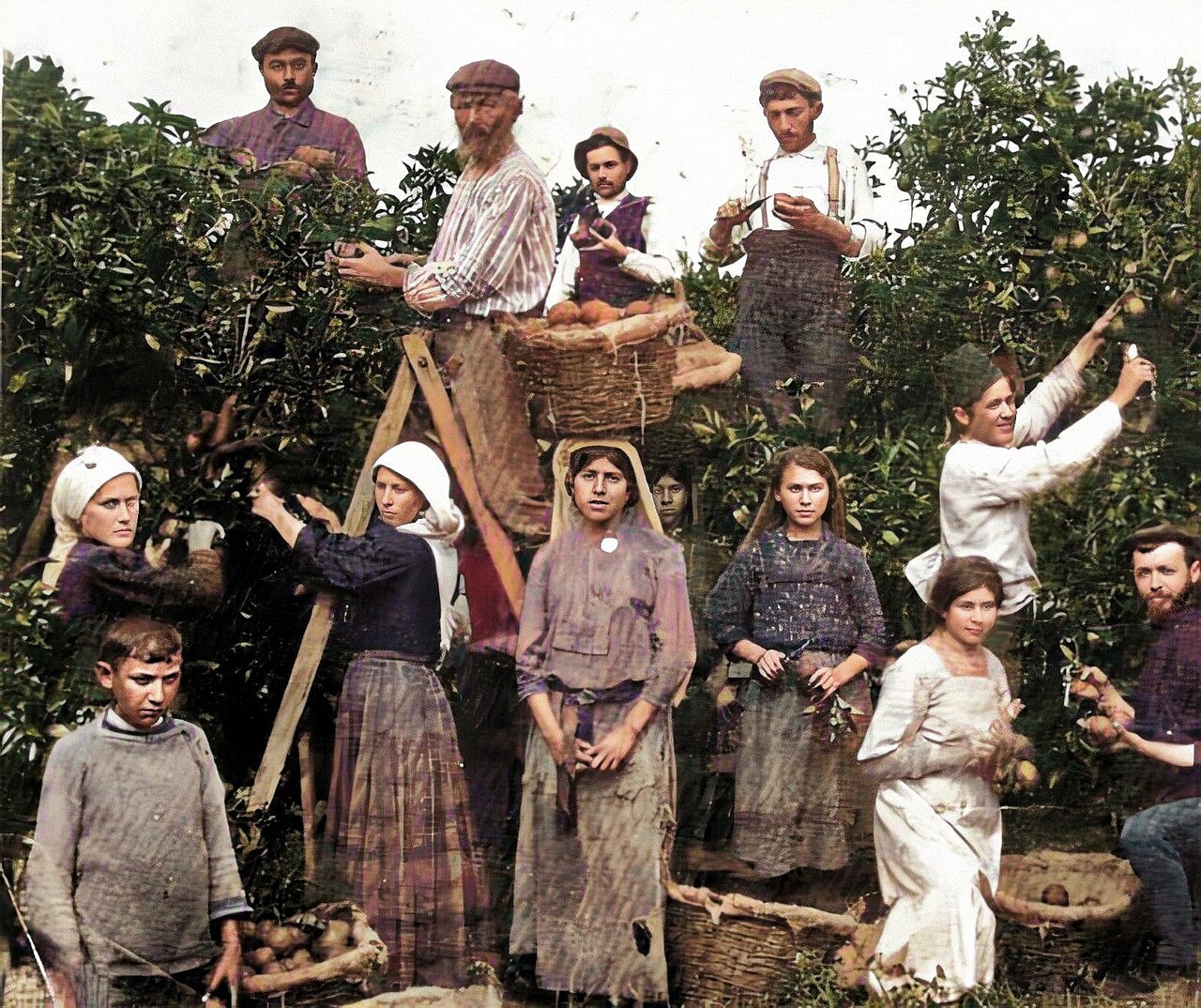
During the late 19th century, Zionist Jewish immigration saw integrated Arab-Jewish ventures in orchard maintenance and export from Jaffa port. By 1928, Jews owned half of the region's 6,000 hectares of orange orchards. Jewish-owned production eventually overtook Arab-owned production in the early 1930s, though the exact year varies by source. During World War II, Arab-owned production regained the lead. After the 1948 war, many Palestinian Arab-owned farms were taken as part of land dispossession, and the industry was presented as a pioneering Labor-movement project void of Arab presence.
Reader's Guide
The Jaffa orange's significance lies in its dual legacy. For Israel, it became a national emblem in the 1950s and 1960s, symbolizing agricultural success and export strength, with Israel remaining a major citrus exporter to Europe. For Palestinians, it represents connection to land and loss, as explored in Ghassan Kanafani's story 'The Land of Sad Oranges' and in a 1929 proposal for a Palestinian flag featuring the orange. The fruit also exemplifies Arab-Jewish cooperation in the early 20th century, despite rising political tensions. Today, it is one of three main Mediterranean orange varieties, cultivated in Palestine, Israel, Cyprus, Iraq, Lebanon, Syria, Jordan, and Turkey. Its tough skin made it ideal for export, though it is unsuitable for juice due to low juice yield and delayed bitterness.
Did You Know?
- The Jaffa orange was developed as a mutation on a 'Baladi' variety tree near Jaffa in the mid-19th century.
- The sweet orange was introduced to the Mediterranean via ancient trade routes, not by Vasco da Gama.
- The Jaffa orange is practically seedless and has a thick, easily removed peel.
- It lends the city of Tel Aviv-Yafo the nickname 'Big Orange'.
Origins & Botanical Identity
The Jaffa orange traces its lineage to the sweet orange (C. sinensis), a fruit that Portuguese explorer Vasco da Gama carried from China to the Mediterranean in 1498. Centuries later, in mid-nineteenth-century Ottoman Palestine, Palestinian farmers encountered a spontaneous mutation on a tree of the older 'Baladi' variety near the city of Jaffa. That mutation gave birth to what is still called the Jaffa orange, or shamouti in Arabic. The fruit is practically seedless, oval in shape, and wrapped in a thick, deep-orange peel that comes away with remarkable ease. Its flesh delivers a sweet, fine flavour that contemporary observers have called "excellent." Yet the same thick rind that makes the fruit so travel-friendly also means it yields very little juice and is prone to a delayed bitterness, rendering it unsuitable for juice production. It stores well, tolerates cold far better than most citrus, and is susceptible to the Alternaria fungus along with a tendency toward alternate bearing. These traits collectively shaped its identity as a fruit built for the table, not the factory.
Ottoman-Era Export Boom
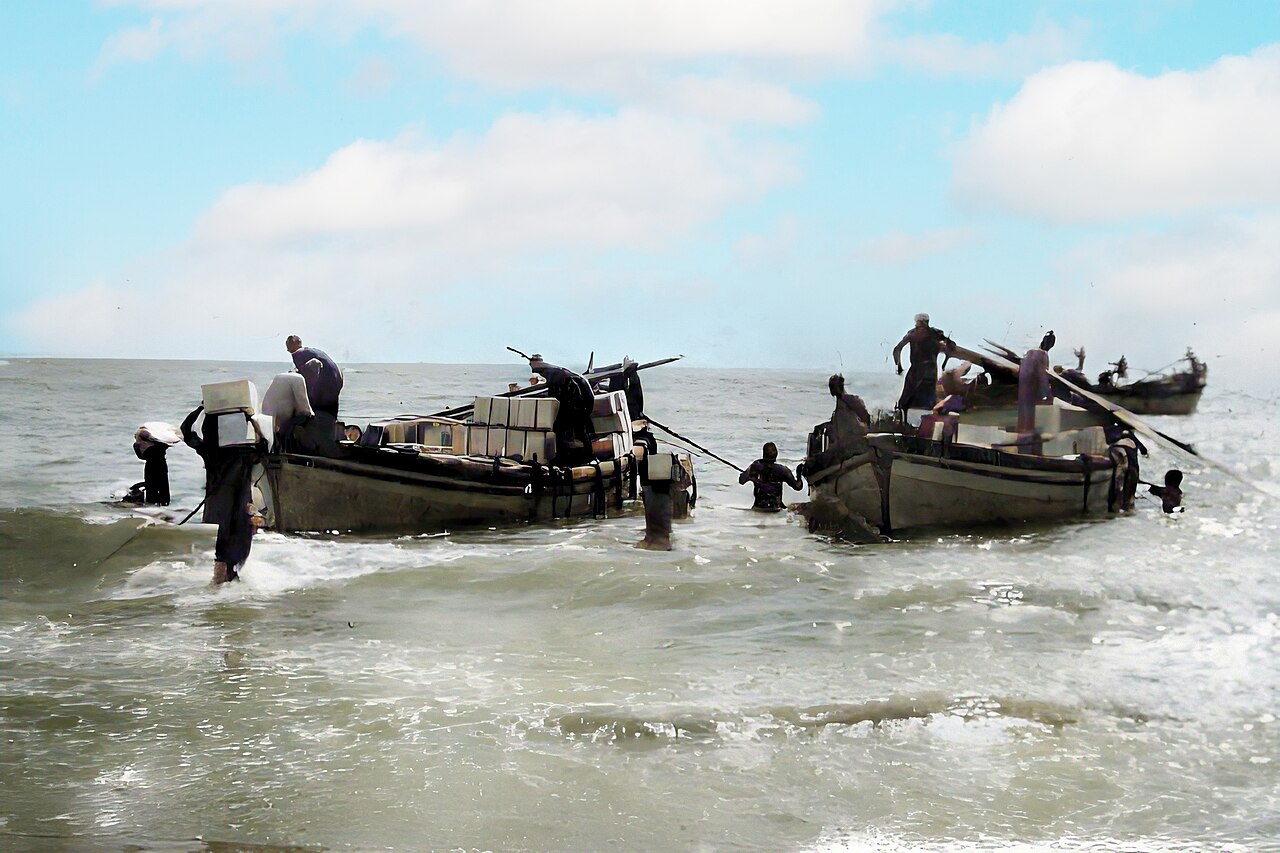
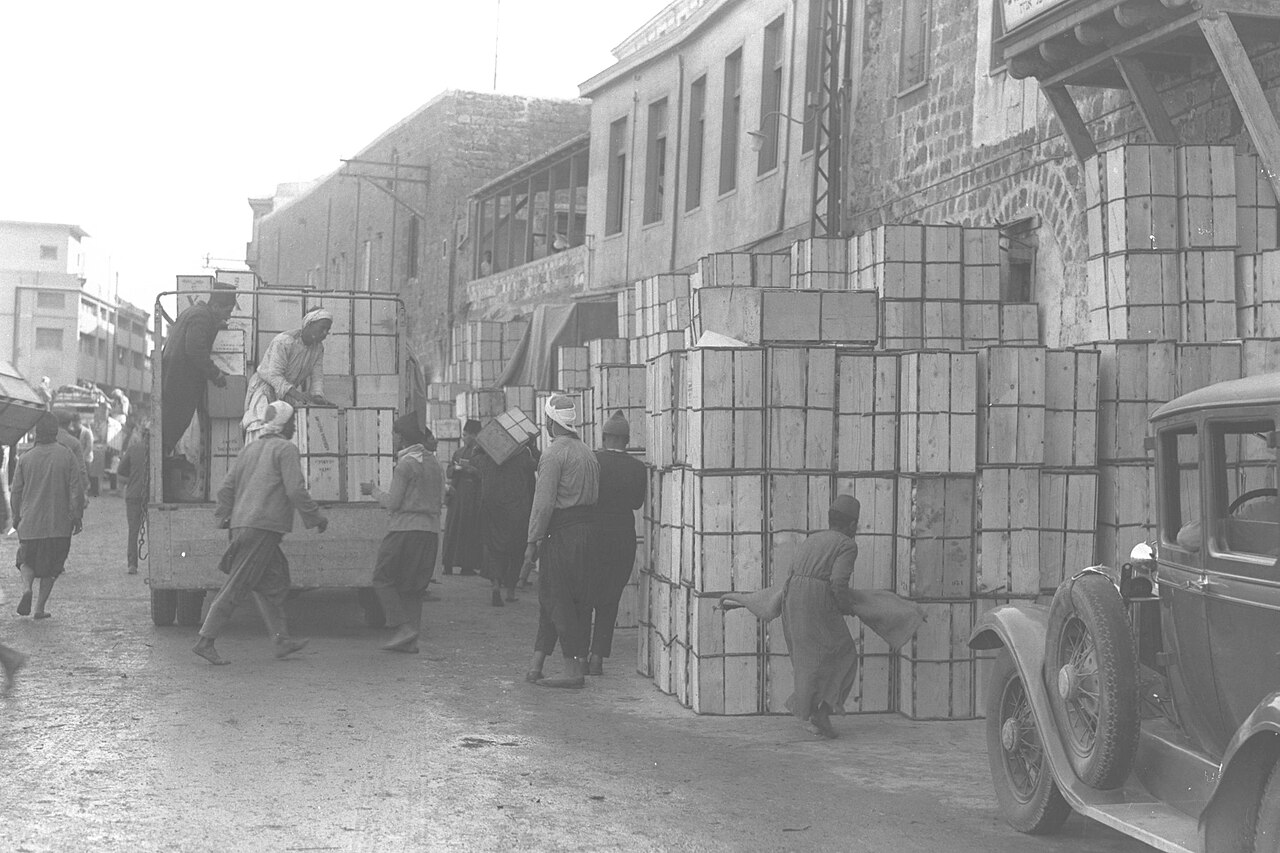
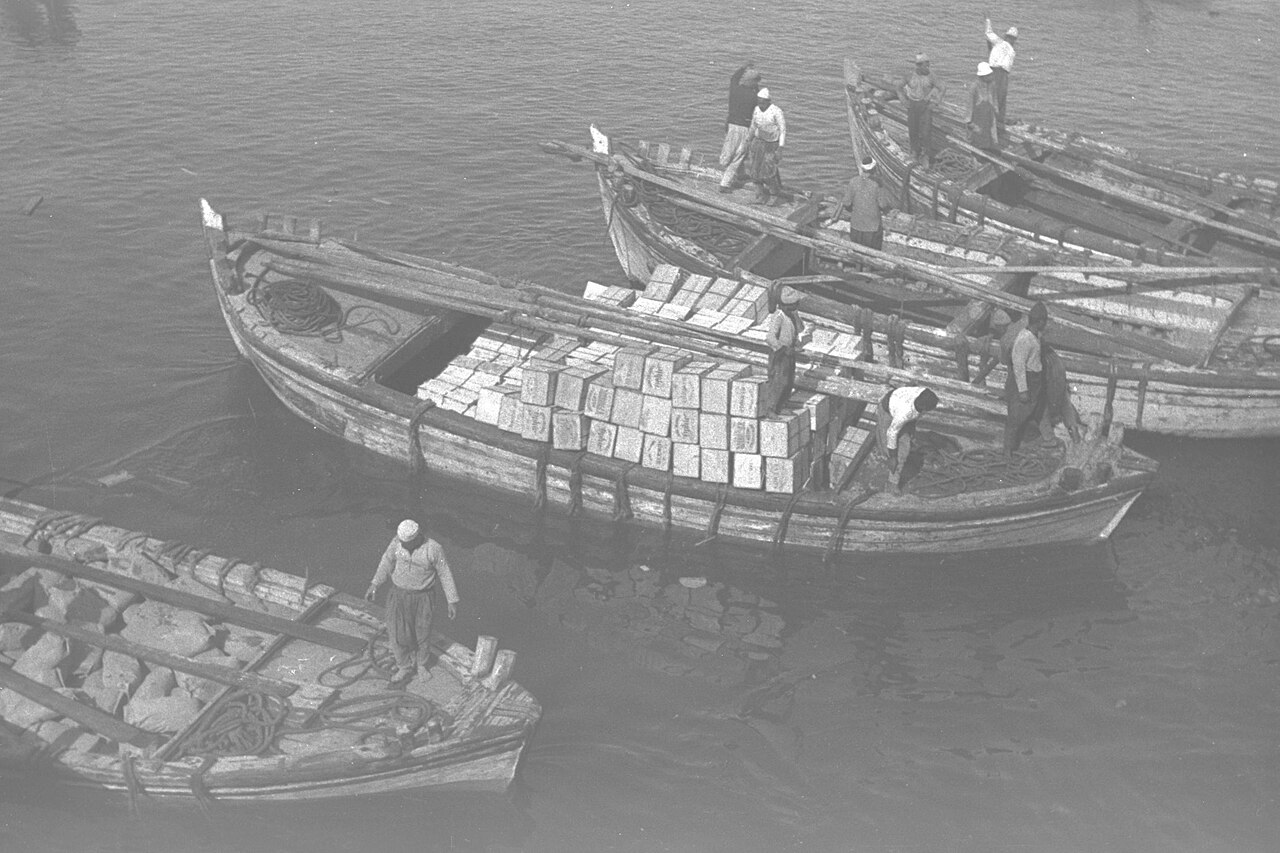
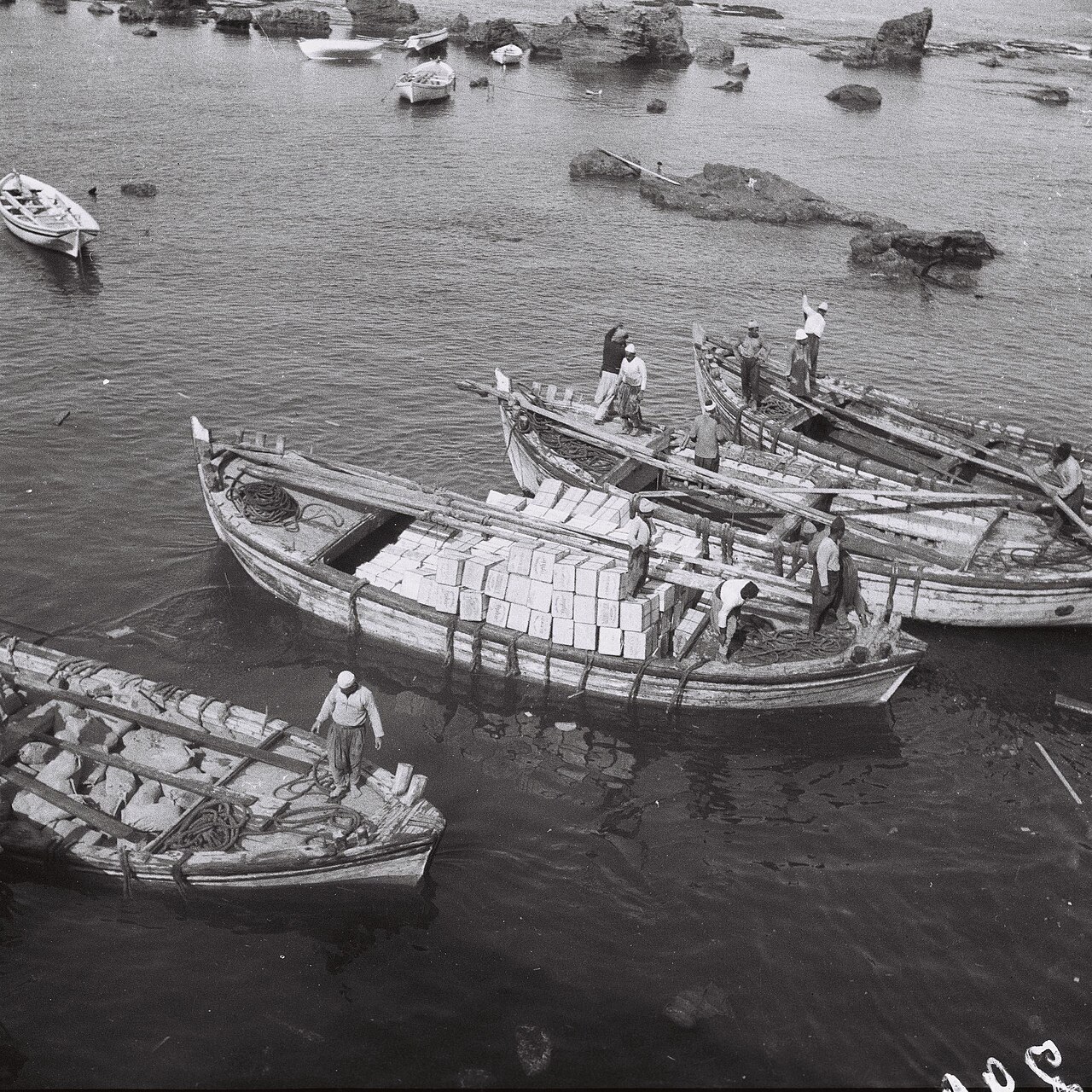
After the Crimean War of 1853–56, citrus cultivation in the Levant expanded rapidly, and the Jaffa orange became the dominant export variety. British consular reports from the 1850s record the first mentions of these fruits reaching European buyers. Two forces accelerated the trade: steamships, which cut transit times from weeks to days, and the relative freedom of orange growing from the heavy European control that had strangled cotton. Exports surged from 200,000 fruits in 1845 to 38 million by 1870. The orchards behind this boom were owned by wealthy Palestinian merchants and notables rather than smallholders, because establishing a productive grove demanded significant capital and years before the first harvest. In 1870 a German Templer colony first marketed the fruit under the "Jaffa" label, and a European traveller writing in 1872 marveled at the gardens surrounding the city, estimating their annual value at ten thousand pounds. By the 1880s the variety had attracted the attention of American grower H. S. Sanford, who attempted to establish it in Florida. A 1902 official survey identified England, Turkey, Egypt, and Austria-Hungary as the principal export destinations, noting that traditional Arabic farming methods proved more cost-efficient than the European-style enterprises that would follow.
Arab-Jewish Partnership in the Mandate Era
When Zionist Jewish immigration to Palestine began in the late nineteenth century, the orange business at the Port of Jaffa operated as a genuinely integrated venture between Jewish and Arab farmers. The 1930 Hope Simpson Enquiry acknowledged that orange cultivation had been introduced by Arabs before Jewish settlement commenced, yet credited the scientific methods of Jewish agriculturists with pushing plantation technique to a new level of perfection. The economic stakes were enormous: before World War I, a dunam of fruitful orange-grove land sold for 50–75 pounds sterling, but by 1929 the same groves commanded 150–200 pounds. By the end of 1928, Jewish settlers had acquired 3,000 hectares of the region's 6,000 hectares of orange orchards, and in 1933 Jewish-owned production overtook Arab-owned output. At the industry's 1939 peak, Jewish and Arab orchards together covered 30,000 hectares, employed more than 100,000 workers, and supplied a primary export commodity. These partnerships stood as a remarkable example of Arab–Jewish economic cooperation even as political tensions mounted. During World War II, citrus-growing declined overall, and Arab-owned production once again surpassed Jewish-owned output.
Post-1948 Legacy & Modern Cultivation
After the 1948 war and the establishment of the Israeli state, the orange-growing industry was reframed as a pioneering Labor-movement project, deliberately presented as void of any Arab presence. This narrative emerged in the shadow of the Nakba of 1947–48, during which significant ethnic cleansing of Palestinian Arabs took place and many Palestinian-owned farms were dispossessed from their owners. The Jaffa orange, however, endures as a symbol that transcends any single political story. In the broader Levantine context, it is the only commodity—among Nabulsi soap, sugar, barley, cotton, and others once shipped through imperial and global networks—that remains a living emblem of Palestinian production. Today the Jaffa orange stands as one of three principal orange varieties cultivated across the Mediterranean, alongside the navel and the bitter orange (the latter grown in Iran primarily for its peel). Its cultivation now spans Palestine, Israel, Cyprus, Iraq, Lebanon, Syria, Jordan, and Turkey, a geographic spread that testifies to the fruit's enduring agricultural versatility and its deep roots in the region's shared horticultural heritage.
Gallery
Frequently Asked Questions
What is the Jaffa orange?
The Jaffa orange is a seedless sweet-orange variety with a thick, easy-to-peel rind, cultivated by Palestinian farmers in the mid-1800s near the port city of Jaffa in Ottoman Palestine. It is also known under the name Shamouti.
Who developed the Jaffa orange and where?
Palestinian farmers in the Jaffa area of Ottoman Palestine selectively bred the variety during the mid-19th century, shaping a fruit with fewer seeds and a tougher peel that could survive long sea voyages. Its origin is tied specifically to the fields surrounding that port city.
What makes the Jaffa orange different from other oranges?
It is defined by its near-total lack of seeds, a thick and easily removed skin, and a greater tolerance for cooler temperatures than most citrus. Those traits made it especially practical for shipping and peeling by hand.
Why is the Jaffa orange important?
From the late 1800s through the mid-1900s it served as one of the region's most valuable agricultural exports, carrying the name of Jaffa to markets worldwide. Over time it grew into a shared cultural emblem recognized within both Palestinian and Israeli national identities.
What happened to the Jaffa orange after its peak?
Its commercial dominance as a global export gradually waned after the mid-20th century, but the variety endures as a lasting symbol of the land's farming heritage. It continues to appear in cultural references and remains a point of shared memory for the peoples of the region.
More in Palestinian inventions 1-24
Spotted an error? Know more?
This is a living reference — every entry is fact-audited, and reader corrections feed straight into our audit queue. Suggest an edit · See this site's audit record