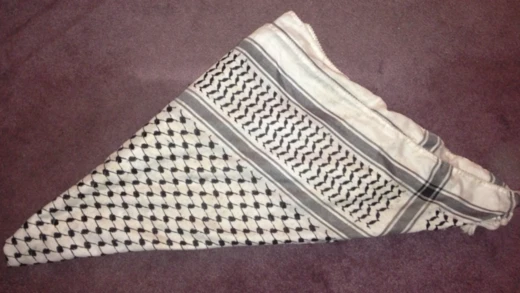
Gauze
Thin, open-weave fabric used in clothing and medicine.

Struppig taucher · CC BY 4.0
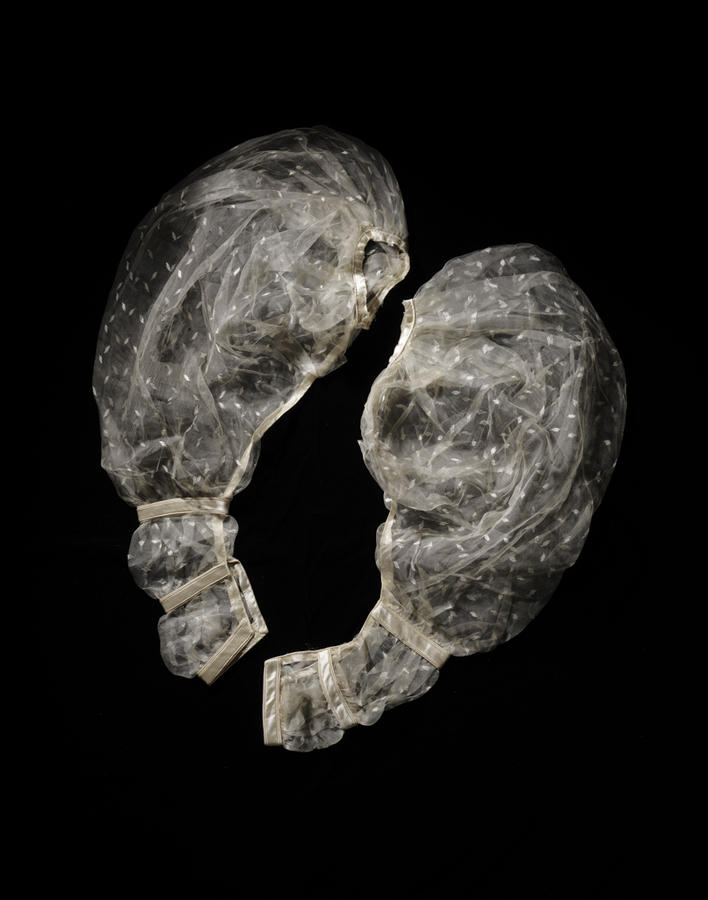
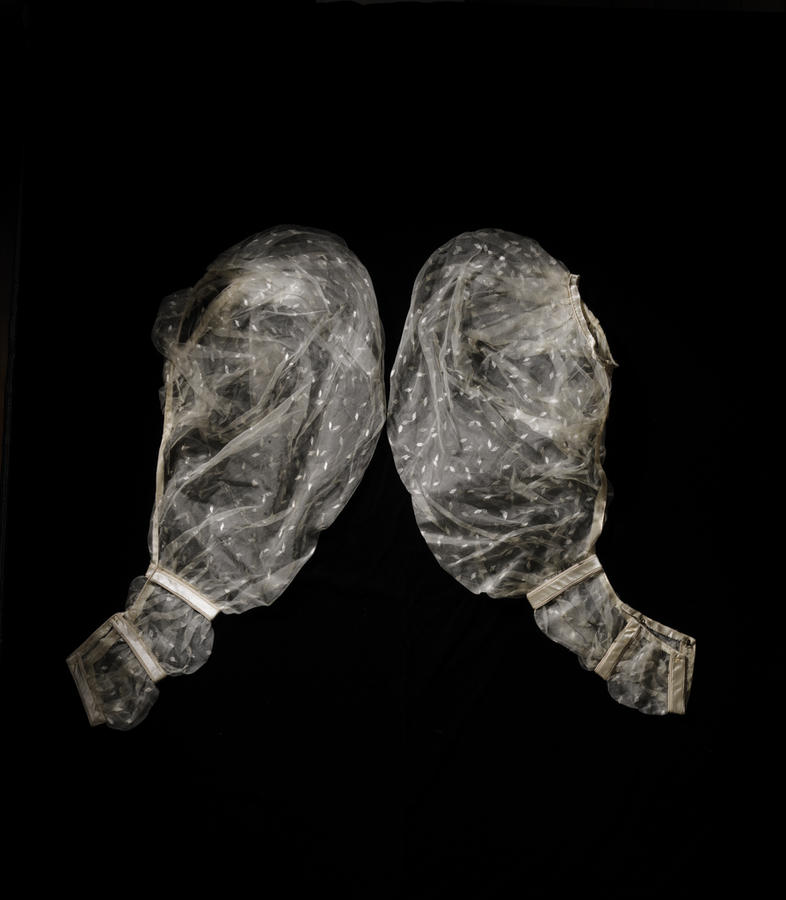
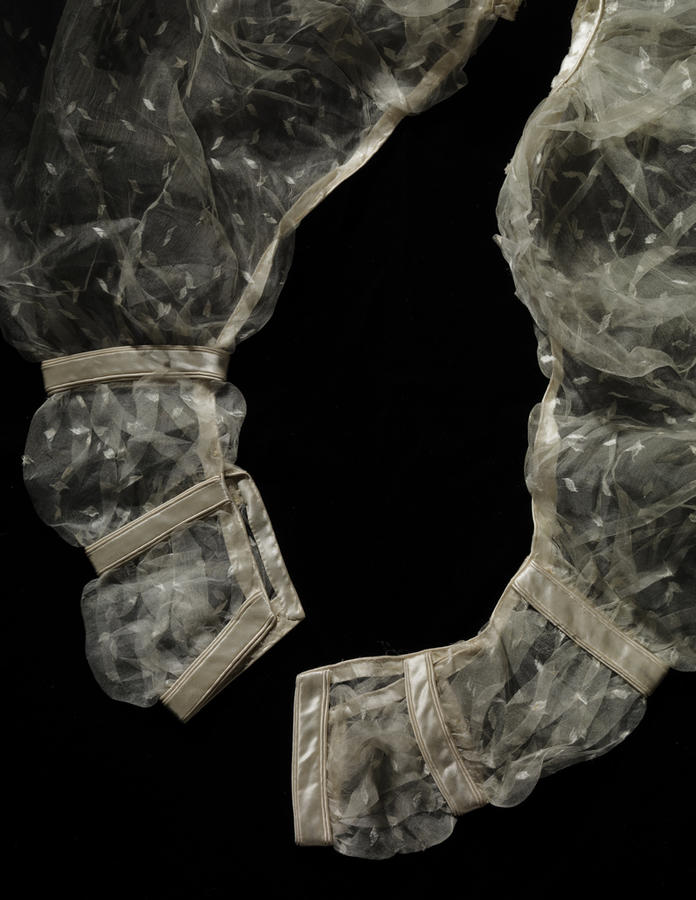
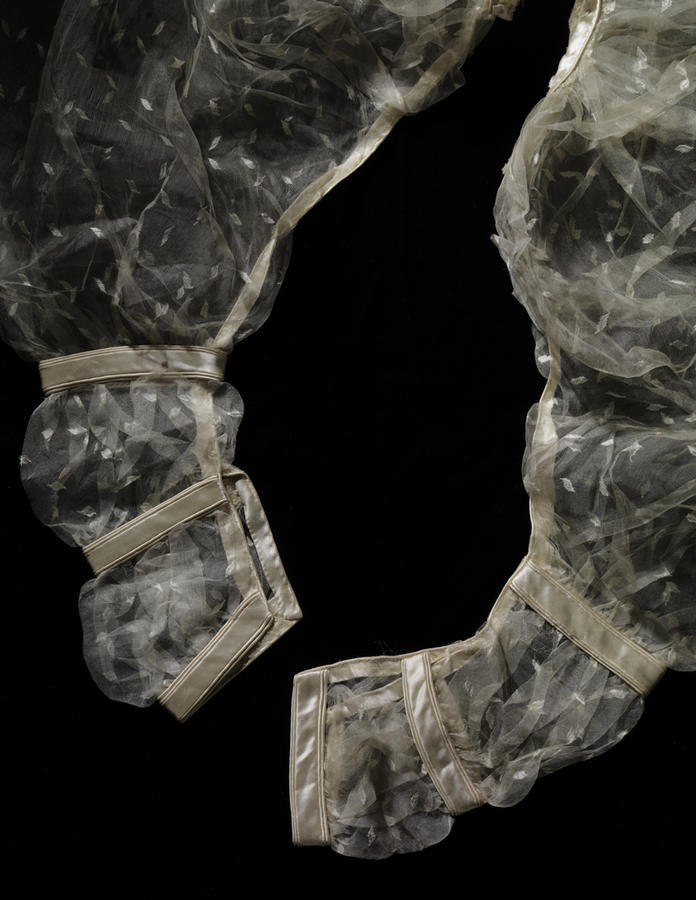
Gauze is a thin, translucent fabric with a loose open weave. Its weave structure, in which weft yarns are arranged in pairs and crossed before and after each warp yarn, adds stability to the fabric. Gauze has been used for clothing, medical dressings, and other applications, and can be made from woven or non-woven materials.
- field
- Textile manufacturing, medical supplies
- known_for
- Thin, open-weave fabric used in clothing and medical dressings
- etymology
- Likely from Gaza or Arabic qazz (raw silk), via French gaze
- earliest_recorded_description
- Pliny the Elder, c. 23-79, in Natural History
- common_modern_material
- Cotton (woven), synthetic fibers (non-woven)
Lore & Background
The English word 'gauze' is popularly believed to come from Gaza, a city with a long history of textile production. Most scholars attribute it to Gaza or the Arabic word qazz ('raw silk'), likely via French gaze. Pliny the Elder first described gauze production in Gaza around the 1st century, noting that local silk fabrics relied on imported yarn to make 'a thin gauze.' By the Middle Ages, Arab traders had brought silkworms to Palestine, and silk weaving occurred in both Gaza and Ascalon. A coarse silk-wool fabric called qazz was produced, and a thin, transparent version was used for clothing, drapery, and medical dressings. Exported from Gaza's port to Europe, it became known as gaze. Alternate theories trace the word to a Norman term for a fine-leafed plant or the Greek word khassa ('skin; thick garment').
Reader's Guide
Gauze's significance lies in its dual role as a textile and a medical material. Originally made of silk and used for clothing, its open weave allowed for lightweight, breathable fabrics. In medicine, woven gauze—often made of linen or cotton—has been used since ancient Egypt for mummification and wound dressings. Modern medical gauze may be woven or non-woven; non-woven gauze, made from synthetic fibers like rayon or polyester, offers better absorbency and less lint. Gauze is also used in bookbinding (as mull), and wire gauze appears in laboratory and safety applications. The fabric's etymology reflects its historical trade routes, though the exact origin of the word remains debated.
Did You Know?
- Pliny the Elder speculated that thin gauze from Gaza was 'produced for the purpose of exposing to the public eye naked draperies and transparent matrons.'
- Modern medical gauze may be woven or non-woven; non-woven gauze is stronger, bulkier, and softer than woven gauze.
- Gauze used in bookbinding is called mull and is used to adhere the text block to the book cover.
- Alternate theories trace the word 'gauze' to a Norman word for a fine-leafed plant or the Greek word khassa ('skin; thick garment').
The Architecture of the Leno Weave
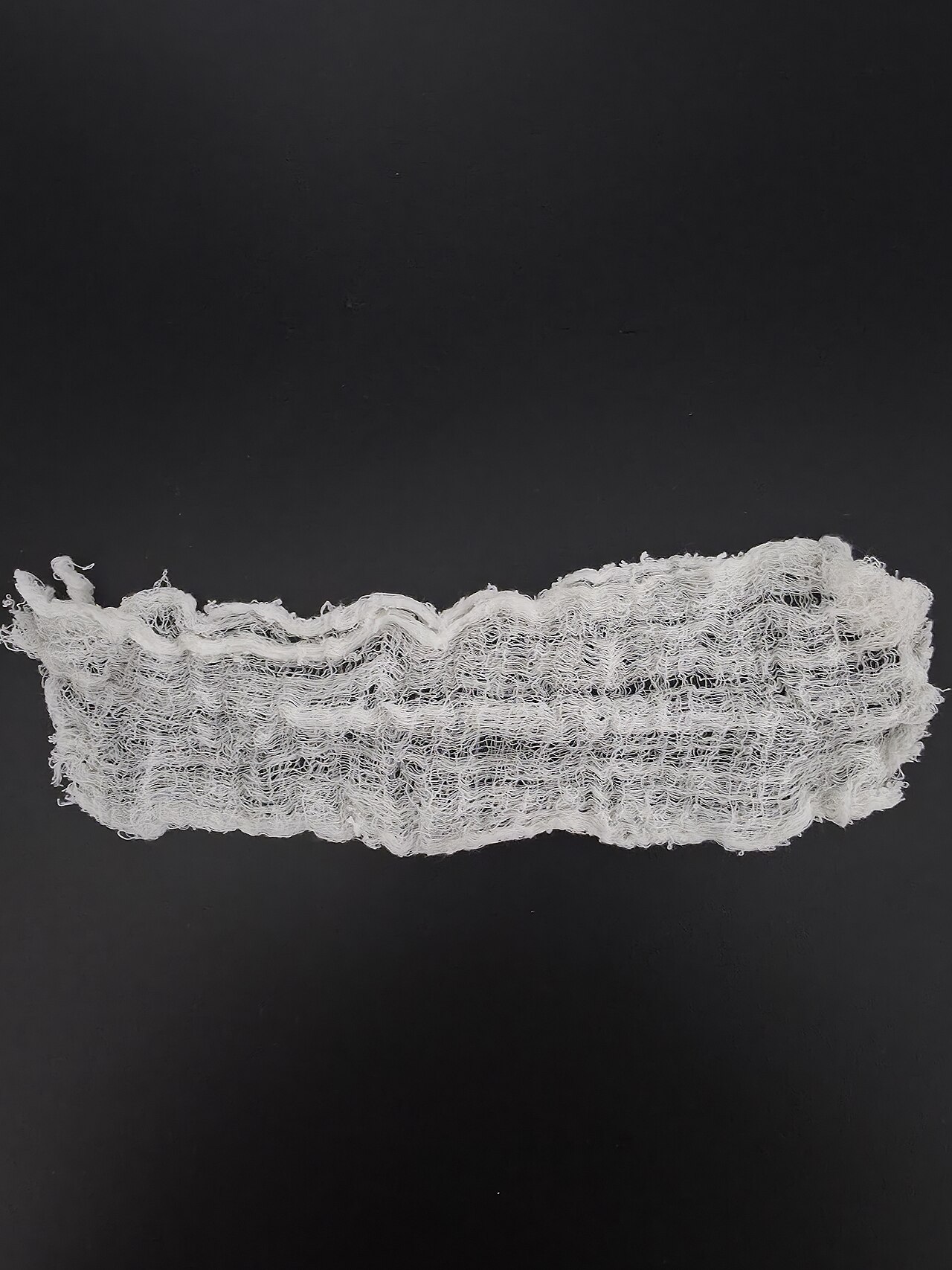
Gauze is defined not by the material it is made from but by the specific geometry of its weave. In a true gauze structure, weft yarns travel in pairs and are crossed both before and after every warp thread. This interlocking pattern locks the weft firmly in position, giving the fabric a stability that would otherwise be impossible when fine yarns are spaced widely apart. The result is a thin, translucent cloth with a distinctly open, airy character. While the technique is most associated with delicate materials, the weave structure itself is agnostic to fiber weight. It can be executed with coarse, hand-spun plant fibers to produce rustic textiles that retain the same structural logic as a fine silk gauze. Historically, gauze employed a leno weave, though modern versions often use a plain weave construction. Contemporary applications also shift the material palette, with synthetic fibers now common in clothing-grade gauze. The defining quality remains the open, paired-weft architecture that gives the fabric its characteristic transparency and lightness.
From Gaza to the World: A Name with Roots
The English word "gauze" carries a long and debated etymological trail. Most scholars trace it to the ancient city of Gaza, with the Arabic term qazz, meaning "raw silk," likely feeding into the French word gaze before entering English. Gaza possessed a deep tradition of textile manufacturing and export, and numerous fabrics in European languages bear the names of the regions from which they were imported. Pliny the Elder, writing in the first century, described the production of a thin gauze in Gaza that relied on silk yarn imported from China, which held a monopoly on sericulture at the time. He speculated the fabric served to reveal "naked draperies and transparent matrons" to public view. By the Middle Ages, Arab traders had brought Asian silkworms to Palestine, enabling domestic sericulture in Ascalon and silk weaving in Gaza itself. A coarse silk-and-wool cloth called qazz and bi-harir was woven there, and its thin, nearly transparent variant traveled through Gaza's port to European markets, where it became known as gaze. Alternative theories exist: Piangiani in 1903 linked the word to a Norman term for a fine-leafed plant, while Moutsos in 1983 proposed the Greek dialectal word khassa as a possible ancestor.
A Medical Staple Across Millennia
Woven linen gauze was used to wrap the bodies of Ancient Egyptians during mummification, making it one of the oldest known wound dressings in human history. That ancient function has evolved into a vast modern medical role. Today, medical gauze comes in two primary forms: woven and non-woven. Woven gauze, typically made from cotton, is loosely constructed to allow the absorption and wicking of exudate and other bodily fluids. Coarse-mesh woven gauze is preferred for debridement, while fine-mesh versions suit wound packing better. However, woven gauze is less absorbent than its non-woven counterpart and can shed lint into a wound, particularly when cut. Non-woven gauze, made by pressing fibers together rather than weaving them, is usually composed of synthetic materials such as rayon or polyester, sometimes blended with cotton. It is stronger, bulkier, softer, and produces significantly less lint. Gauze is especially valued in burn and laceration care, where other fabrics might adhere to the wound. Many modern versions are coated with a perforated plastic film to prevent direct contact, and some are impregnated with zinc oxide and calamine to promote healing, as in Unna's boot.
Beyond the Ward: Gauze in Other Crafts and Sciences
Gauze's utility extends well beyond the medical field. In bookbinding, a specific type of gauze called mull is used in case binding to adhere the text block to the book cover, providing a flexible yet strong bond between the pages and the outer shell. In the world of laboratory and industrial equipment, the term "wire gauze" refers to woven metal sheets that serve practical purposes: placed atop a Bunsen burner to distribute heat evenly, incorporated into safety lamps to prevent flame propagation, or fashioned into screen spark arrestors for fire safety. The fabric's original purpose was as a silk textile for clothing, and that fashion application persists in modern form, with synthetic-fiber gauze now common in contemporary garments. The versatility of the gauze weave structure means it can be adapted to virtually any fiber weight, from the finest silk to coarse hand-spun plant fibers used in rustic textiles. Whether pressed into non-woven sheets for absorbency or woven into open-mesh cloth for transparency, gauze remains a remarkably adaptable material whose applications span ancient ritual, modern medicine, bookcraft, and scientific apparatus.
Gallery
Frequently Asked Questions
What is Gauze?
Gauze is a lightweight, semi-transparent textile characterized by a distinctive open weave in which paired weft threads cross over and under each warp thread. This structure gives the fabric both breathability and enough structural integrity to hold its shape.
Where does the name 'Gauze' come from?
The word most likely traces back to the city of Gaza or the Arabic term qazz, meaning raw silk, before passing through French as 'gaze' and eventually entering English.
Who was the first to describe Gauze in writing?
The Roman polymath Pliny the Elder included one of the earliest known descriptions of this open-weave fabric in his encyclopedic work Natural History, composed sometime between 23 and 79 CE.
What is Gauze commonly used for today?
It appears in two major fields: lightweight clothing and medical wound dressings. Modern versions are typically made from woven cotton or from non-woven synthetic fibers depending on the application.
Why is Gauze's weave structure considered clever?
By arranging weft yarns in pairs that cross before and after each individual warp thread, the fabric gains remarkable stability despite its open, airy construction. This makes it breathable enough for skin contact in medicine while still maintaining a consistent, predictable shape.
More in Palestinian inventions 1-24
Spotted an error? Know more?
This is a living reference — every entry is fact-audited, and reader corrections feed straight into our audit queue. Suggest an edit · See this site's audit record