Hebron glass
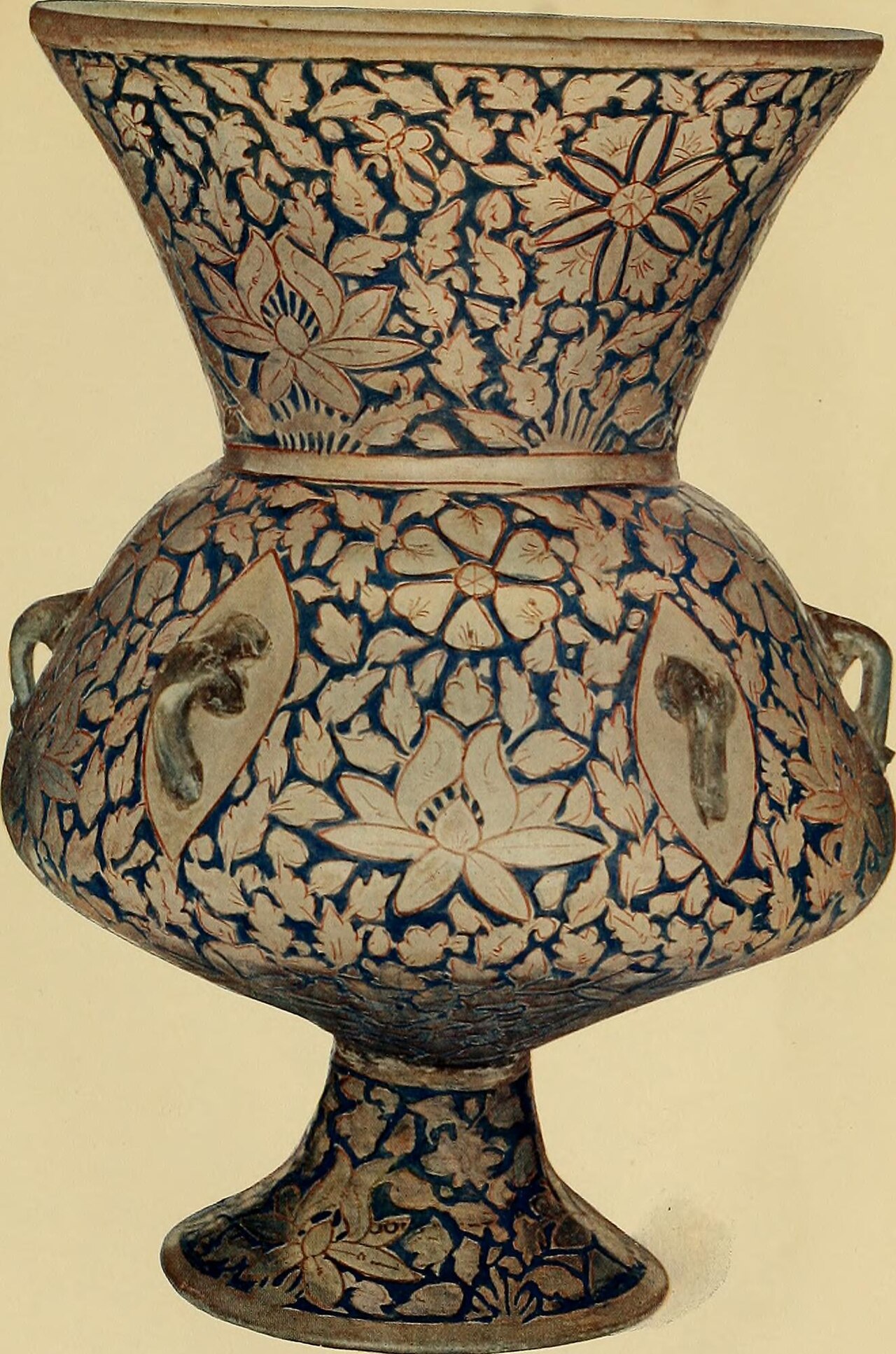
Glass made in Hebron since Roman times, a family trade.

Internet Archive Book Images · No restrictions
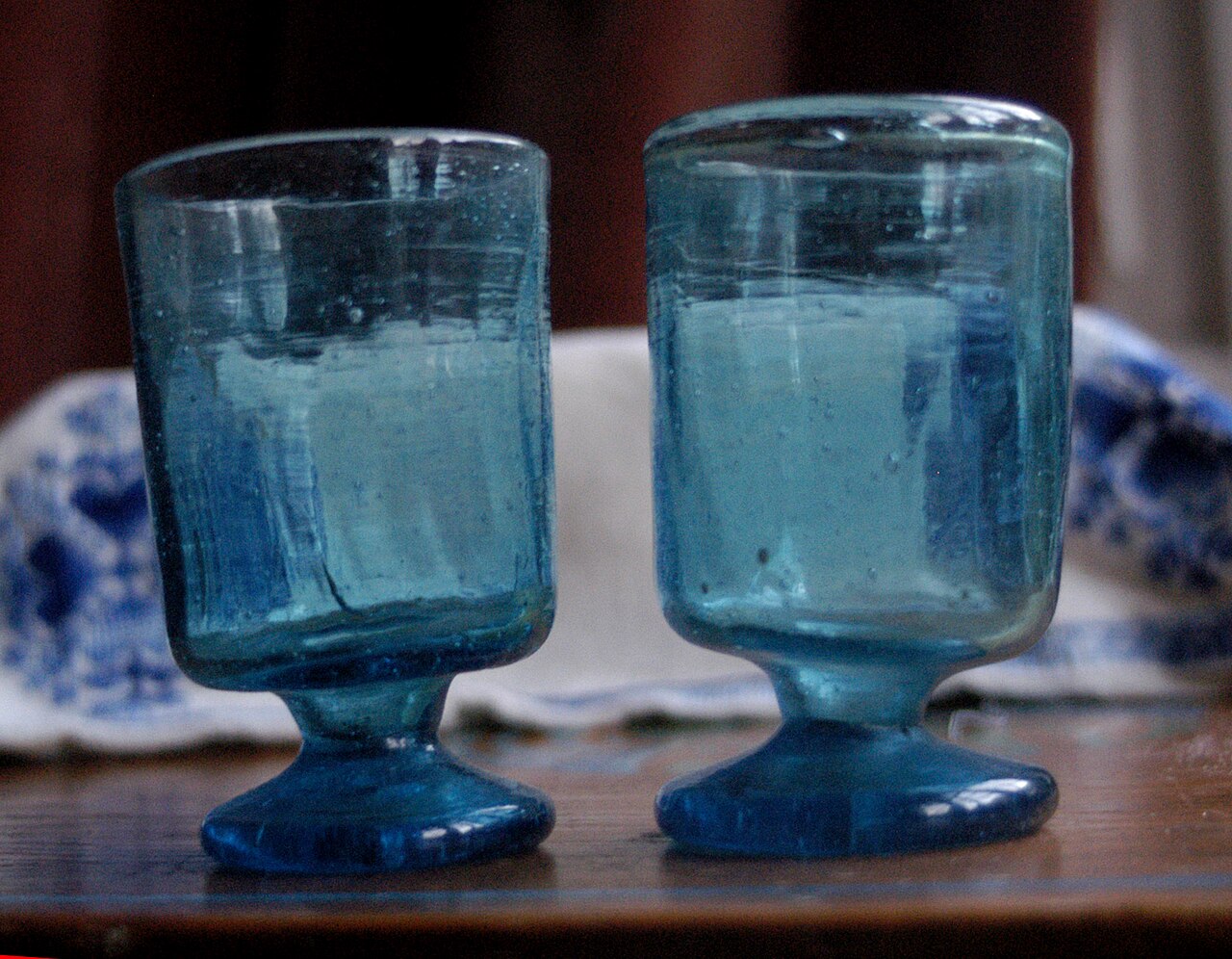
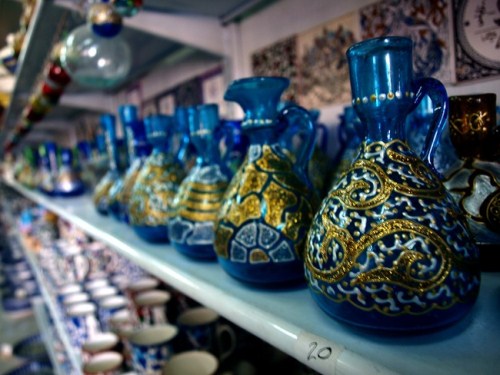
Hebron glass (Arabic: زجاج الخليل, zajaj al-Khalili) is produced in Hebron, Palestine, where a glassmaking tradition has been strong since Roman times in Syria Palestina, with roots in the earlier Phoenician glass industry. The Old City of Hebron still has a neighborhood called the 'Glass-Blower Quarter' (Haret Kezazin), and the glass remains a tourist draw. In the past, the glass was made by melting local materials—sand from nearby villages, sodium carbonate from the Dead Sea, and colorants like iron oxide and copper oxide—but today, recycled glass is often used. Glassmaking in Hebron is a family craft and art, with techniques kept and handed down by a few Palestinian families who run the factories just outside the city.
- field
- Glassmaking
- nationality
- Palestinian
- known_for
- Traditional glassblowing, jewelry, stained glass, and lamps
- origin
- Hebron, Palestine
- period
- Roman era to present
Lore & Background
Glass-making has a millennia-long history in the region of Palestine. In the Amarna letters, rulers of city-states in Palestine and Lebanon mention their export of raw glass materials to Ancient Egyptian pharaohs. Artifacts of the glass industry in Hebron have been dated to the period of Roman rule in Syria Palestina. As the ancient Phoenician glass industry shrank from the exposed cities along the eastern Mediterranean coastline, the industry migrated inland, to Hebron in particular. Glass artifacts from Hebron dating to the 1st and 2nd centuries have been found and are on exhibit as part of the Drake Collection. Stained glass windows made of Hebron glass dating to the 12th century are found in the Ibrahimi Mosque, which served as a church during the Crusader era.
Hebron's medieval reputation in glassmaking is corroborated by Christian pilgrims. Between 1345 and 1350, Franciscan friar Niccolò da Poggibonsi noted that 'they make great works of art in glass.' In the late 15th century, friar Felix Faber described passing 'through the long street of the city, in which work-people of divers crafts dwelt, but particularly workers in glass; for at this place glass is made, not clear glass, but black, and of the colors between dark and light.' While acknowledging production dates back to the Roman period, Nazmi Ju'beh contends that today's practices most likely emerged in the 13th century CE. An alternate theory assigns today's techniques to the Venetian glass tradition, and still other researchers claim they were already extant at the time of the Crusades and were carried back to Europe from Hebron.
Glass produced by these factories were typically functional items including drinking and eating vessels, olive oil and later petrol-based lamps, as well as jewelry and accessories. Bedouins of the Negev, the Arabian Desert, and Sinai were the primary purchasers of jewelry, but large exports of expensive Hebron glass items were sent by guarded camel caravans to Egypt, Syria, and the Transjordan. Marketing communities of Hebron glass were established in al-Karak in southern Jordan and Cairo in Egypt by the 16th century. The glass industry was a principal employer and a generator of wealth for its owners. In the 18th and 19th centuries, Western travelers to Ottoman Palestine provided descriptions; for example, Volney in the 1780s wrote that they made 'great quantity of
Reader's Guide
Hebron glass represents a continuous tradition of glassmaking in Palestine that spans from the Roman period to the 21st century. Its significance lies in its deep historical roots, originating from the older Phoenician glass industry and migrating inland to Hebron as coastal cities declined. The craft has been preserved and passed down through generations by a few Palestinian families, who maintain the trade secrets and operate the factories today. Hebron glass is known for a variety of products, including jewelry such as beads, bracelets, and rings, as well as stained glass windows and lamps. Historically, it was a principal employer and source of wealth, with exports reaching Egypt, Syria, and the Transjordan via camel caravans, and marketing communities established in al-Karak and Cairo by the 16th century. The glass was also used for trade beads exported to Africa. In the modern era, Hebron glass remains a tourist attraction, but the industry has suffered due to the Palestinian–Israeli conflict, Israel's occupation of the West Bank, export problems, decline in tourism, and restrictions on Palestinian freedom of movement after the Second Intifada. According to Nazmi al-Ju'bah, the survival of the Hebron glass industry is in question. The legacy of Hebron glass is thus both a testament to enduring craftsmanship and a reflection of the challenges faced by traditional industries in conflict zones.
Did You Know?
- Hebron glass artifacts dating to the 1st and 2nd centuries have been found and are part of the Drake Collection.
- Stained glass windows made of Hebron glass from the 12th century are found in the Ibrahimi Mosque and the Dome of the Rock.
- In the late 15th century, friar Felix Faber described Hebron glass as 'not clear glass, but black, and of the colors between dark and light.'
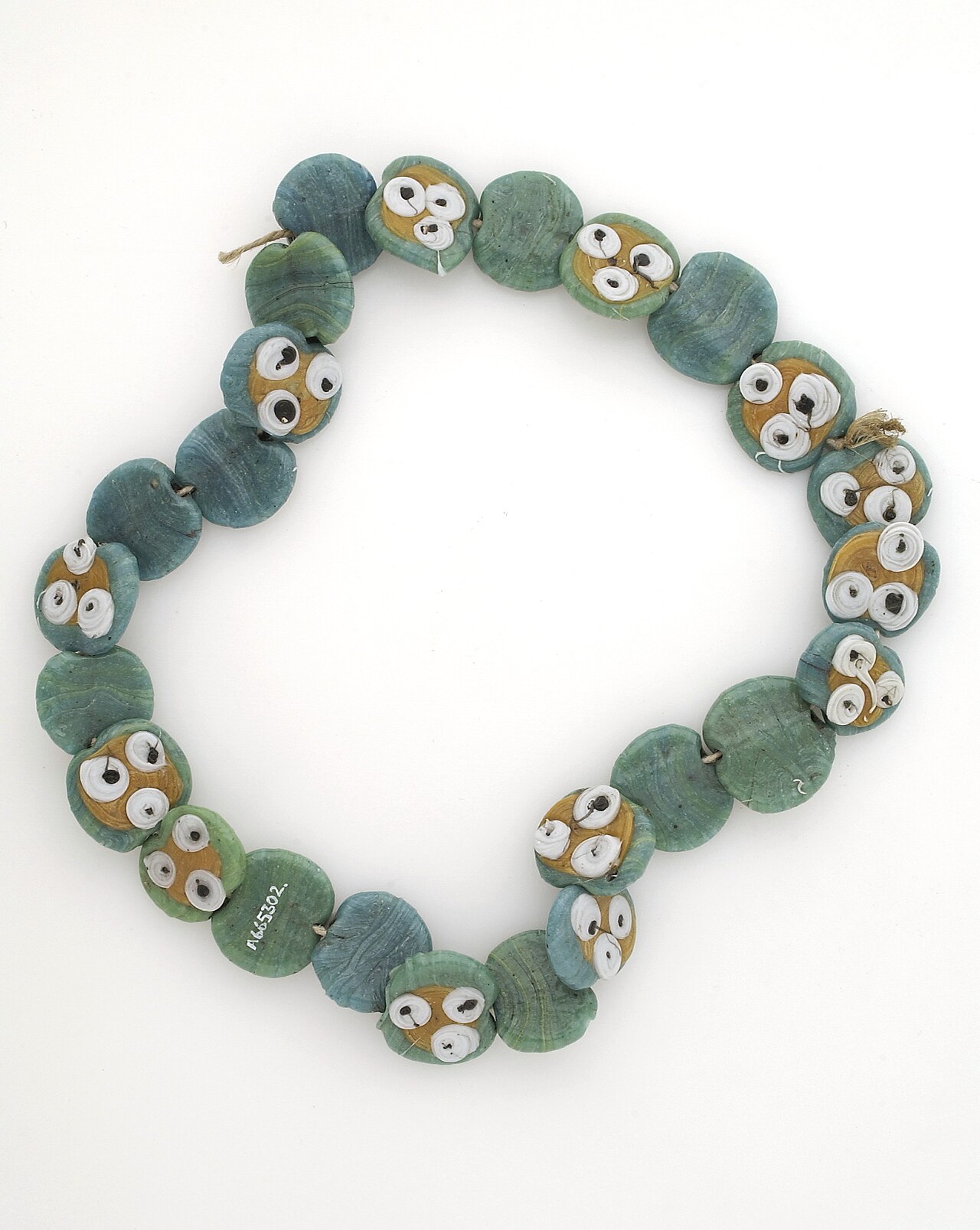
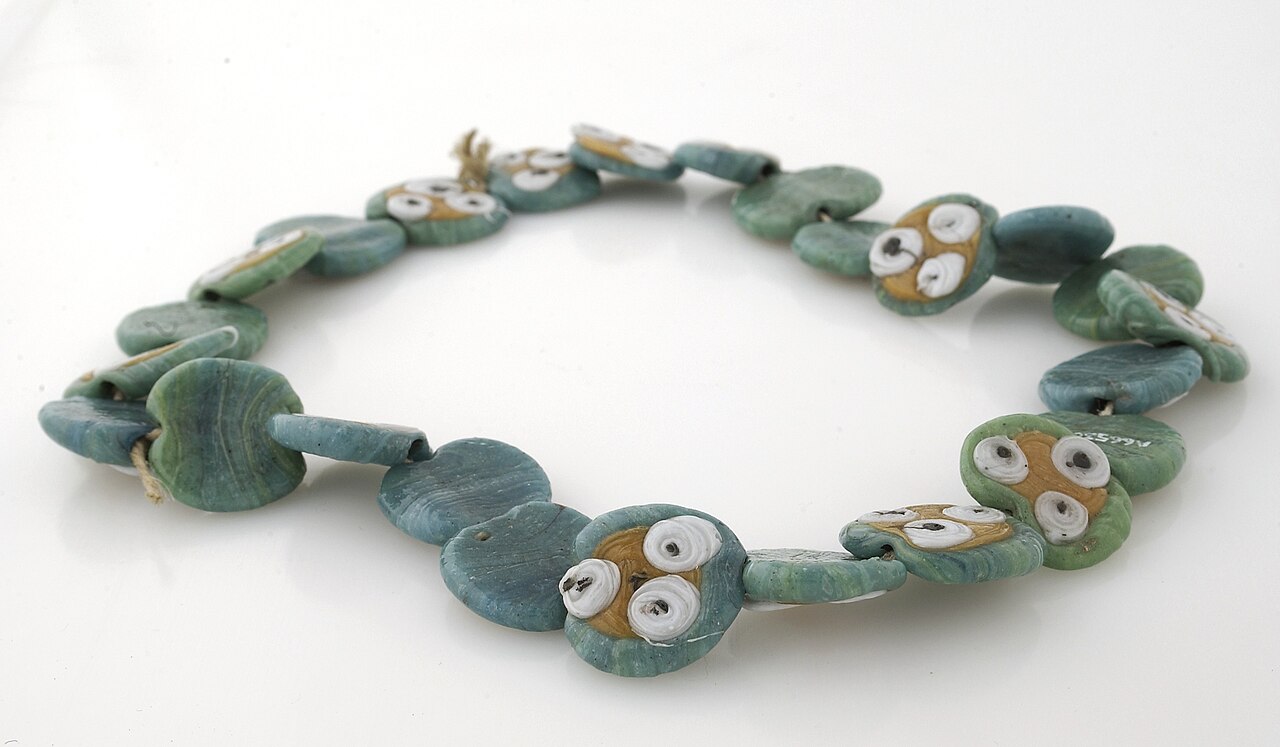
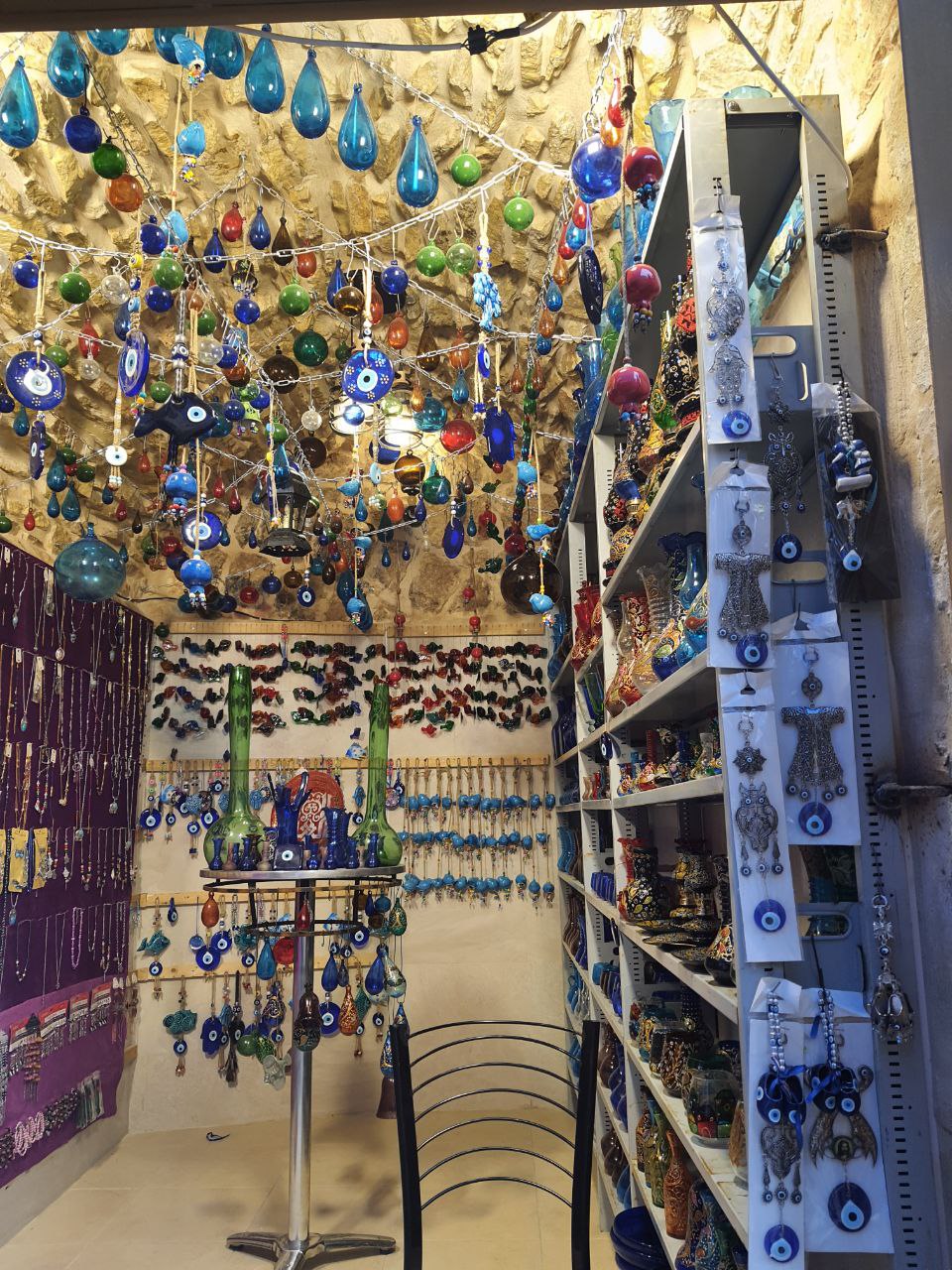
- Blue beads and glass beads with 'eyes' (owayneh) were made in Hebron for use as amulets against the evil-eye.
Ancient Roots and the Inland Migration
Glassmaking in the broader Levant stretches back thousands of years, with the Amarna letters recording that rulers of Palestinian and Lebanese city-states shipped raw glass materials to Egyptian pharaohs. In Hebron specifically, the craft's presence dates to the Roman administration of Syria Palestina. As the older Phoenician glass industry contracted along the exposed eastern Mediterranean coast, production shifted inland, finding a new home in Hebron. Archaeological evidence supports this transition: glass objects from the first and second centuries recovered in the city are preserved in the Drake Collection. Even more striking, twelfth-century stained glass windows crafted from Hebron glass survive in the Ibrahimi Mosque, a building that functioned as a church during the Crusader period. Similar Hebron-made stained glass adorns the Dome of the Rock in Jerusalem's Old City, testifying to the city's reach well beyond its own walls.
Medieval Fame and Ottoman-Era Trade Networks
By the fourteenth century, Hebron's glassmakers had earned a reputation that drew the attention of passing pilgrims. The Franciscan friar Niccolò da Poggibonsi, writing between 1345 and 1350, remarked that the city's artisans produced "great works of art in glass." Nearly a century and a half later, Felix Fabri walked Hebron's long main street and noted that glassworkers dominated the craft scene, producing not transparent glass but dark, colored pieces. The industry's commercial reach was considerable. Bedouin communities across the Negev, the Arabian Desert, and Sinai were the main buyers of glass jewelry, while costly finished items traveled by guarded camel caravan to Egypt, Syria, and Transjordan. By the sixteenth century, dedicated marketing hubs for Hebron glass had taken root in al-Karak in southern Jordan and in Cairo. Western travelers in the eighteenth and nineteenth centuries confirmed the trade's vitality: Volney in the 1780s described colored rings and bracelets dispatched as far as Constantinople, and Seetzen in 1807–1809 recorded that roughly 150 people were employed in the craft.
Materials, Methods, and Family Knowledge
The traditional recipe for Hebron glass relied on locally sourced ingredients: sand gathered from nearby villages, sodium carbonate drawn from the Dead Sea, and mineral additives such as iron oxide and copper oxide to produce colored pieces. The craft is fundamentally a family enterprise, with techniques and trade secrets handed down through generations within a small number of Palestinian families. Those families operate the glass factories situated just outside the city, in the area north of Hebron and south of the neighboring town of Halhul. The product range spans functional household items—drinking and eating vessels, olive-oil lamps, and later petrol-based lamps—alongside decorative pieces like beads, bracelets, rings, and stained glass windows. In the Old City, a quarter still bears the name Haret Kezazin, the Glass-Blower Quarter, a living reminder of the craft's deep roots. Today, two of the three remaining factories are owned by the Natsheh family, and their display halls sit close to the production sites. Recycled glass has increasingly replaced virgin raw materials in the melting process.
Decline, Conflict, and the Question of Survival
The Hebron glass industry has weathered multiple waves of pressure. In the late nineteenth century, imported European glassware began undercutting local production, though the craft persisted as an important source of income; a French consul's 1886 report noted four factories generating sixty thousand francs a year, and Hebron glass ornaments were displayed at the 1873 World Fair in Vienna. In the twentieth and twenty-first centuries, the challenges became geopolitical. The Palestinian–Israeli conflict and Israel's occupation of the West Bank have constrained the industry, while the aftermath of the Second Intifada brought tighter restrictions on Palestinian freedom of movement, a sharp drop in tourism, and persistent export difficulties. These combined pressures have led to a marked decline in output. Nazmi al-Ju'beh, director of RIWAQ, the Centre for Architectural Conservation, has stated plainly that under current conditions the survival of Hebron's glass industry is in question. Yet the craft endures as a draw for both domestic and foreign visitors, and the Glass-Blower Quarter remains a recognizable part of the Old City's landscape.
Gallery
Frequently Asked Questions
What is Hebron glass?
Hebron glass is a traditional Palestinian glassblowing craft based in the Old City of Hebron, producing pieces such as jewelry, stained-glass panels, and decorative lamps. It descends from a glassmaking lineage that stretches back to Roman-era Syria Palestina and earlier Phoenician workshops.
How old is the Hebron glass tradition?
The craft has been carried out in and around Hebron since at least the Roman period, making it one of the region's oldest continuously practiced glassmaking trades. It is passed down within families rather than through institutions, so the knowledge lives in the hands of successive generations.
What raw materials were used to make traditional Hebron glass?
Artisans historically combined sand gathered from nearby villages with sodium carbonate sourced from the Dead Sea, then introduced iron oxide or copper oxide to achieve different hues. In recent decades, recycled glass has increasingly supplemented or replaced some of those original inputs.
Where can visitors see Hebron glass being made today?
The Old City still has a distinct neighborhood called Haret Kezazin, the "Glass-Blower Quarter," where workshops and displays operate. It draws tourists who want to watch the blowing process firsthand and purchase finished pieces.
Why is Hebron glass culturally important to Palestinians?
It serves as a tangible, living thread connecting present-day Hebron to ancient Phoenician and Roman glassmaking, a heritage that has survived centuries of upheaval. As both a family livelihood and a public attraction, it reinforces local identity and keeps a centuries-old craft visible in the modern world.
More in Palestinian inventions 1-24
Spotted an error? Know more?
This is a living reference — every entry is fact-audited, and reader corrections feed straight into our audit queue. Suggest an edit · See this site's audit record